

Forensic odontology education and training in the Nordic countries: pathways, programs, and prospects
Clinical relevance box
Forensic odontology (FO) remains a key component of disaster response and human identification, particularly in mass casualty events. Although formal positions in FO are scarce in the Nordic countries, many dentists receive specialized training to serve in national DVI teams. Education in FO, ranging from undergraduate introductions to postgraduate and hands-on training, is crucial for ensuring preparedness. The continued training ensures that competent dentists are ready to contribute to forensic investigations when needed and serve as a foundation of the DVI force in case of mass casualty events. This also highlights the need to maintain international identification standards.
This article provides a comprehensive overview of forensic odontology (FO), job opportunities, education, and training across the Nordic countries and Europe. FO is a specialized field within dentistry, contributing to human identification, disaster victim identification (DVI), age estimation, and legal investigations. While undergraduate exposure to FO varies, the postgraduate pathways, certification programs, and hands-on training opportunities are numerous. European institutions increasingly offer specialized diplomas, master’s programs, and workshops in areas such as DVI, age estimation, and digital forensics. Although full-time job prospects in FO remain limited, continued education is essential to support disaster preparedness, legal reliability, cross-border collaboration, and the development of a competent and responsive forensic dental workforce.
Forensic odontology (FO), despite its broad scope, is a small subfield within odontology. FO plays a vital role in legal and investigative processes, such as human identification, age estimation, disaster victim identification and bite mark analysis [1]. To aim for a role in FO, it is crucial to build qualifications through both education and experience. Currently, forensic odontology is taught at varying levels from basic introductions in undergraduate dental programs to specialized training in postgraduate and professional courses. The structure, depth, and quality of education differ greatly depending on the country, institution, and available resources. Despite its long history, a standardized professional qualification for training in FO has yet to be established. This lack of uniformity presents both opportunities and challenges for standardization, professional development, and global collaboration [2]. While opportunities to specialize and work specifically in FO remain limited, it is essential for all dentists to have a foundational understanding of this field. This paper explores the diverse landscape of FO education, postgraduate opportunities, international disparities, and the role of organizations in shaping and training worldwide.
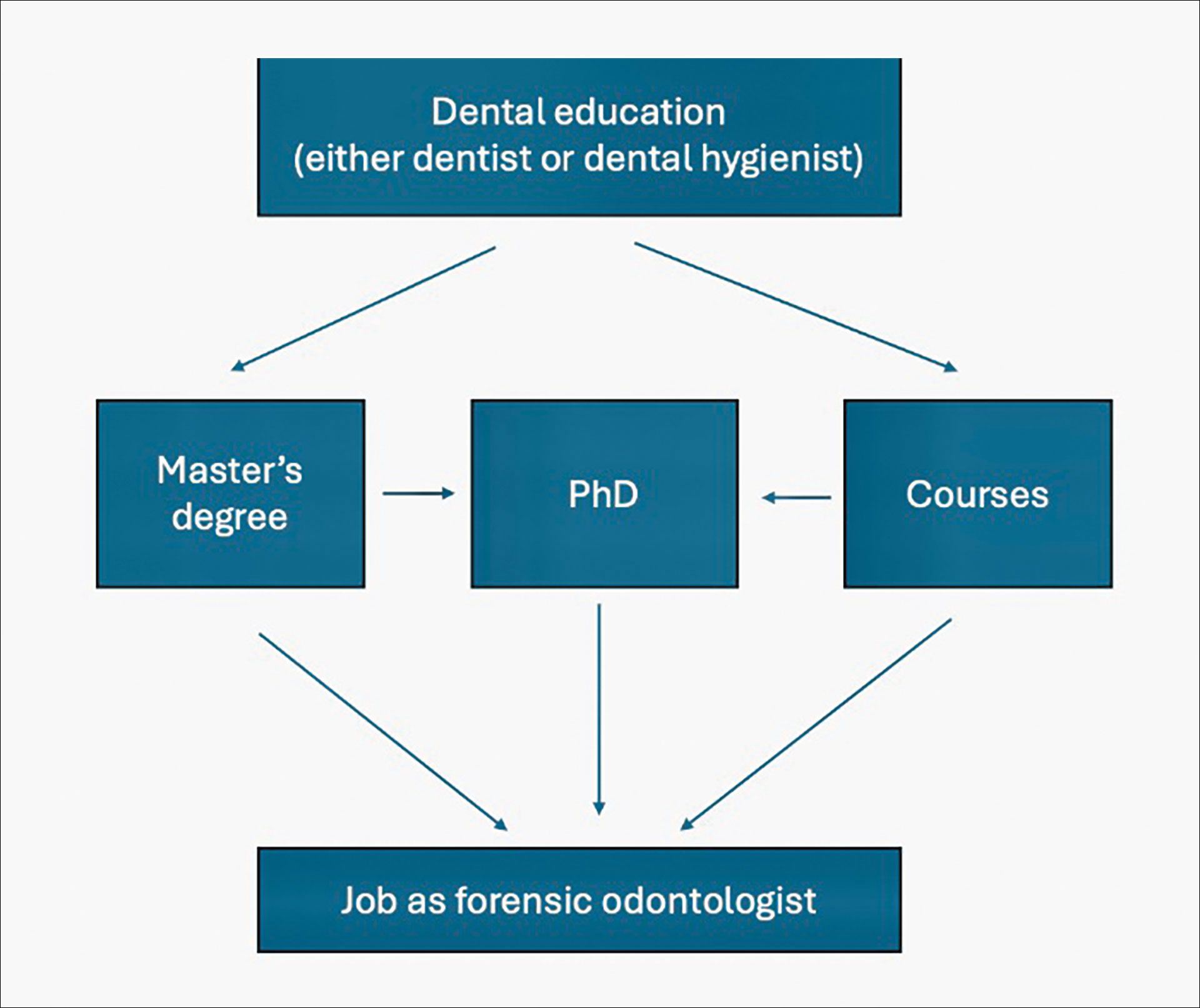
Figure 1. Different pathways on how to become a forensic odontologist.
Forensic odontology in the undergraduate programs
In the Nordic countries, introductory courses in FO are offered as a part of the undergraduate curriculum. However, these courses vary in duration and content across the different countries. The courses provide students with an overview of the main goals and scope of forensic dentistry covering topics such as dental anatomy for identification, radiographic interpretation, and an introduction to age estimation. The courses also cover the legal and ethical aspects of forensic investigations and emphasize the responsibility and accuracy required when contributing to criminal and civil investigations. Denmark, Finland, Iceland and Norway include FO in their dental curricula. In Sweden, none of the dental schools provides a dedicated FO course, it is instead integrated into other subjects and throughout the entire program. While some countries provide structured FO education, others offer limited exposure, highlighting variations in training across the region.
Postgraduate forensic odontology education
Currently, the possibilities for postgraduate degrees are limited and need to be addressed. A scoping review by Al Ghazi et al. [2], conducted a scoping review of FO training programs, identified 56 forensic odontology training programs across 18 countries. Of the 14 master’s and 42 diploma programs, only 7% provided comprehensive information on availability, content and quality. Europe had the highest number of programs. Practical training was included in 10 master’s and 12 diploma programs, while research integration appeared in 11 master’s and 7 diploma programs [2]. Continuing education courses play a key role in deepening the knowledge of dentists.
Continuing education in the Nordic countries and Europe
Finland offers a postgraduate program in FO aimed at preparing participants to work independently as FOs. The program is coordinated by the Finnish Association of FO, the Forensic Medicine Unit of the Institute for Health and Welfare, and Helsinki University’s Department of Forensic Medicine. The program takes a minimum of three years. Besides hands-on practices, a treatise and a final exam, one course of a total of eight is organized every half-year according to a fixed 3-year course calendar. The Finnish Dental Association eventually grants the certification of Special Competence in FO [3]. In Iceland, Norway, Sweden and Denmark, FO is neither a dental speciality nor a protected title. To become a forensic odontologist, candidates must develop their skills through practical experience and participation in specialized training courses.
Master´s programs
One- to two-year master's programs in FO are available, which offer in-depth study in areas like craniofacial identification, bite mark analysis, and mass disaster management. These programs include practical experience through simulated cases, mock trials, and supervised forensic cases, often in collaboration with law enforcement and forensic professionals. At present, the only Masters in FO which covers all topics in FO is at the University of Dundee (Scotland). It is a two-year Master of Science (MSc) in Forensic Dentistry. The program includes practical training with Thiel cadavers and the use of KMD PlassData DVI software for forensic case analysis [4]. At many other universities, the possibility to address FO topics in MSc programs is offered.
PhD Education
For candidates who seek an academic career, a PhD in a FO-related topic can be a possible path into the field. It, however, depends on the availability of qualified supervisors and research resources. Examples of topics of ongoing and upcoming Nordic PhD projects are the application of 3D scans in forensic dental identification, oral health of asylum seekers and the reliability of palatal rugae for forensic dental identification. A recent doctoral thesis in Norway (2025) focused on age estimation, using MR image segmentation to measure the volume of different dental tissues in molars [5][6][7][8].
Specialized training courses in forensic odontology
Several specialized training courses across Europe offer hands-on and practical expertise to dental professionals interested in forensics. These courses are typically organized by universities, forensic associations, and professional bodies[5][6][9][10][11]. They can be categorized according to the subject they cover.
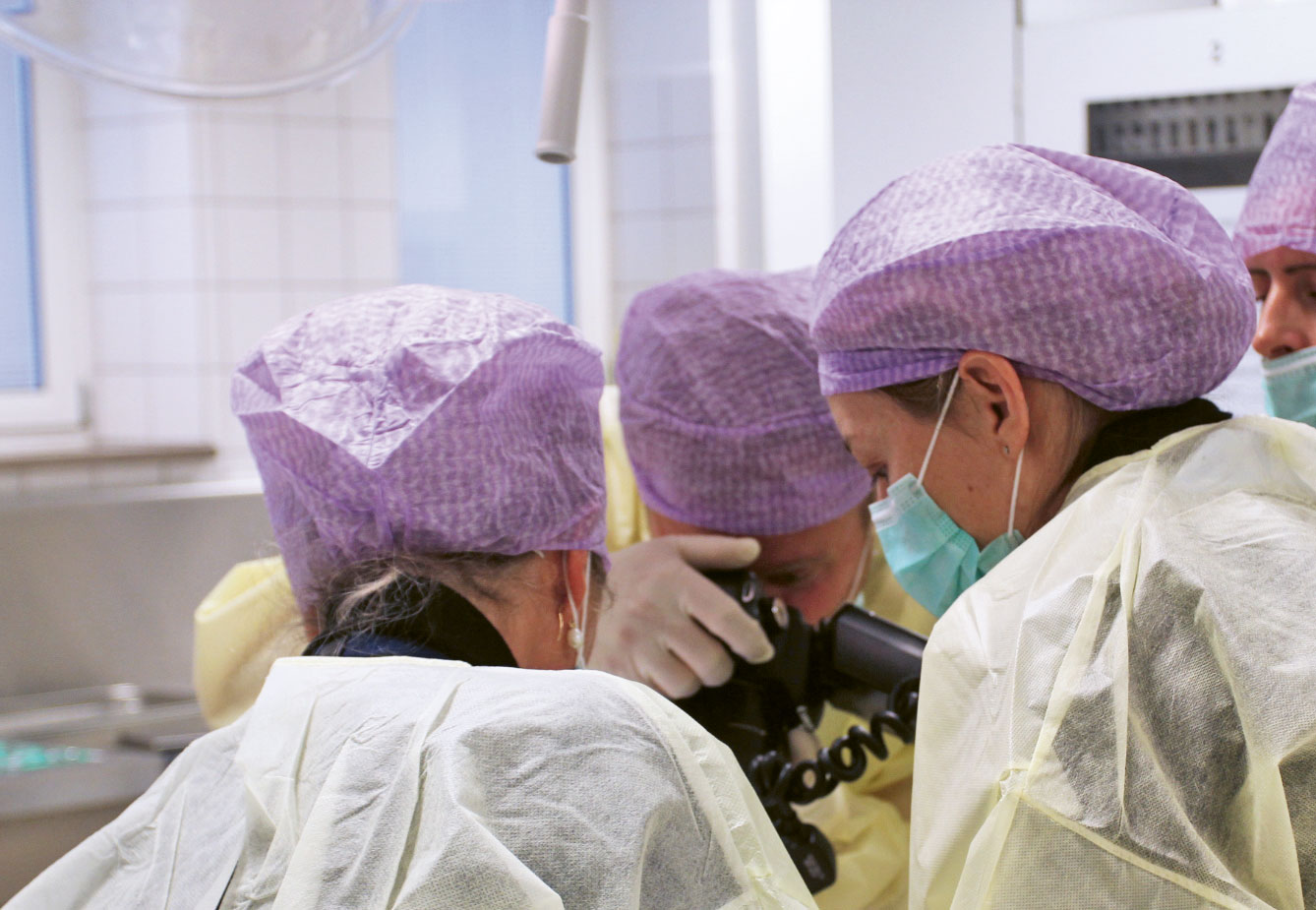
Figure 2. DVI course in Aarhus. Photography practice in the morgue.
Disaster Victim Identification (DVI) Training
For decades, experts in FO from the Nordic countries have collaborated to offer a highly recognized one-week international intensive course in DVI, patronaged by IOFOS. The training follows the principles of the INTERPOL DVI guide [10][12]. Participants attend expert lectures and receive hands-on training in handling AM and PM data using the latest version of the internationally recognized DVI software (KMD PlassData DVI, Denmark) and practical training in the morgue. Skills are evaluated in a mock incident setup and a certificate for fulfilling the goals of the course is issued. Originally circulated between Nordic countries, the course has been offered at Aarhus University, Denmark, since 2015 [11].
In Europe, courses and programs are available, such as the University of Turin (Italy), which offers a postgraduate course in FO, specializing in human identification through dental evidence and providing expertise for resolving legal cases with dental knowledge. It is offered in postgraduate study programs [13]. Similarly, UIC Barcelona (Spain) offers a diploma in Legal and Forensic Dentistry, training professionals in forensic case analysis and dental-related legal procedures. The course takes 6 months [14]. The University of Lisbon offers a two-semester specialization course in FO, providing health and related professionals with skills and experience in the field. It is taught in English [15].
Age estimation workshops
Age estimation workshops across Europe focus on methods like radiographic techniques and morphological analyses. IOFOS organizes a yearly one-week workshop on age estimation [10]. The University of Dundee (Scotland) also has age estimation training in its FO MSc program [4]. In Berlin, Germany, Arbeitsgemeinschaft für Forensische Altersdiagnostik (AGFAD), a study group on Forensic age assessment, holds annual meetings where the latest research in AE is introduced and discussed [16].
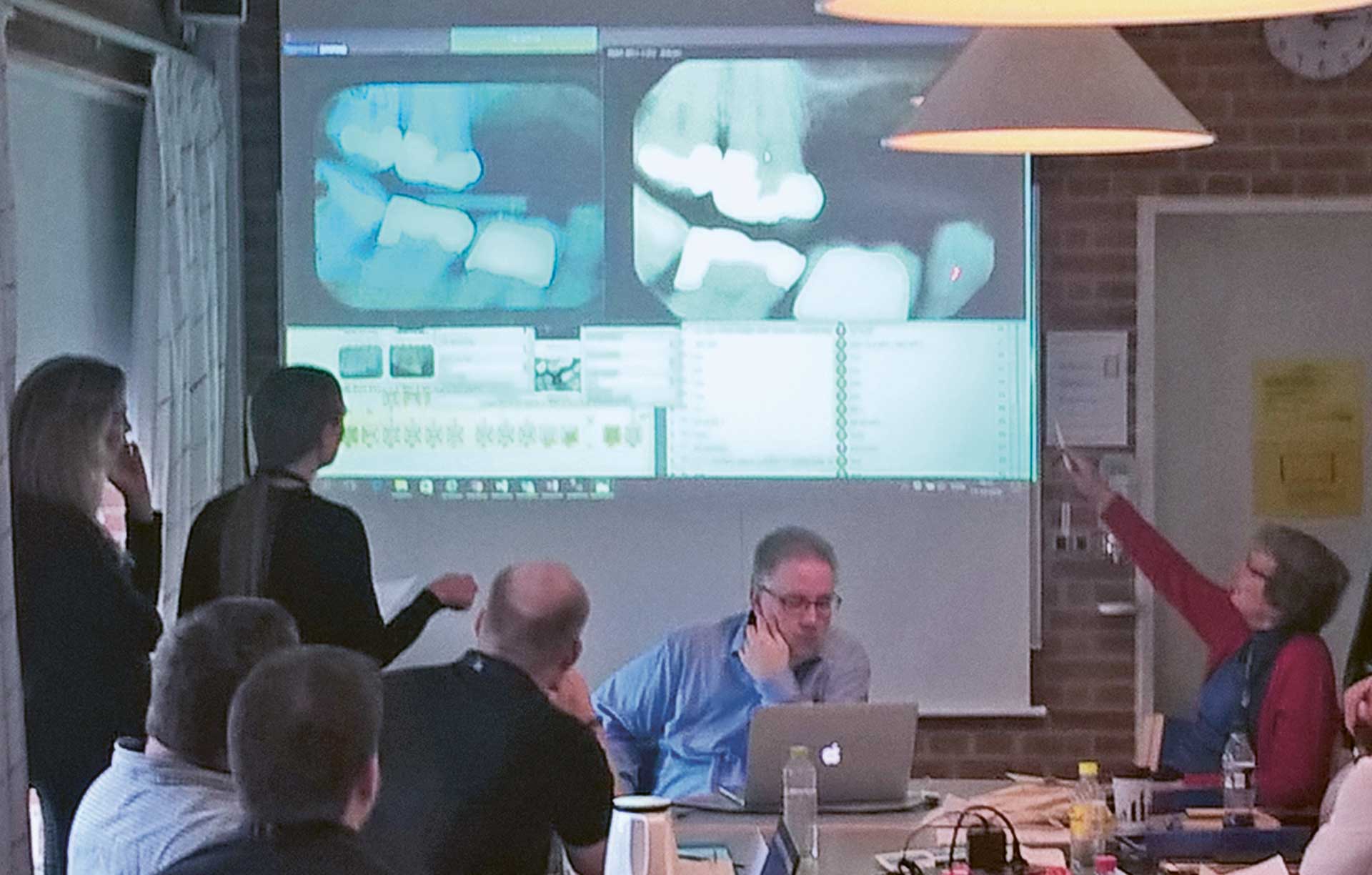
Figure 3. DVI course in Aarhus. Practice in the morgue.
Forensic photography and digital forensics
Training courses in forensic photography and digital imaging teach advanced techniques, digital processing, and computer-aided analysis, helping participants develop skills in evidence collection and documentation. These courses can vary in time from 3–5 days [17][18].
Advanced technology and 3D imaging in forensic odontology
Workshops at institutions such as KU Leuven (Belgium) and the University of Zurich (Switzerland) explore how 3D reconstructions and virtual autopsies enhance investigations [19]. Courses are available regularly and can be found on their websites.
Webinars
During the COVID-19 pandemic, the DVI Interpol Hungary's Dental Unit started hosting regular webinars starring well-reputed forensic dentists from around the world. A lesson learned from the pandemic was that such webinars were a practical and easily implementable teaching method that could reach a large audience worldwide [20]. Today, webinars in FO are arranged frequently by several FO associations, offering an easily accessible opportunity for dentists seeking continuing education in FO. The national forensic dentistry associations in the Nordic countries inform their members about relevant webinars and provide invitations to participate.
Professional organizations and training initiatives
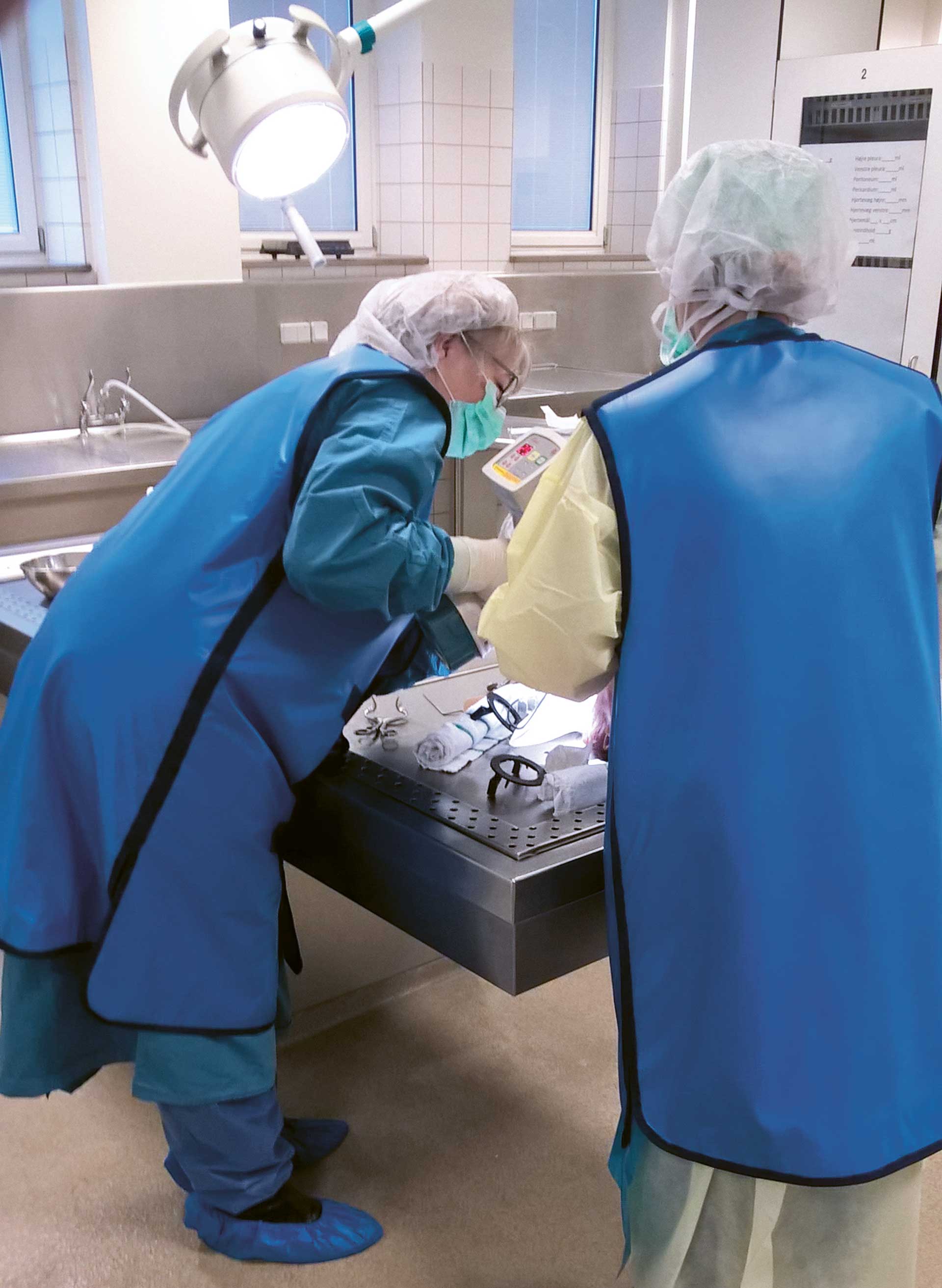
Figure 4. DVI course in Aarhus. Matching practiced.
All the national forensic odontology associations in the Nordic countries arrange regular meetings for their members with lectures by experts from fields related to FO. These associations routinely provide webinar links to their members, featuring presentations by leading international experts in FO. Therefore, dental professionals in the Nordic countries interested in FO are encouraged to join their national FO associations and participate in meetings and webinars to enhance their knowledge in the field.
Job prospects in forensic odontology across the Nordic countries
FO in the Nordic countries varies in organization, training, and recognition. Finland has three permanent FO positions in Helsinki (100%, 60%, 10%), with collaboration FOs working on an assignment basis outside Helsinki. Sweden has three permanent FO positions in Stockholm (100%, 50%, 50%), and ten dentists geographically distributed across the country that serve as members of the DVI group. Employment at The National Board of Forensic Medicine is required to partake in the DVI team. In Norway, six dentists geographically distributed in five locations in Norway are members of the DVI group. These dentists are called upon for single cases or mass casualties with the need for dental identification within their district. Other dentists with experience in FO may contribute when needed. In Denmark, a few FO positions are affiliated with The Forensic Medicine Institutes. Further, several FOs act as consultants on request from the institutes. Iceland lacks an FO position, but three trained FOs serve on the DVI committee. Overall, FO training and roles differ, with some countries offering structured pathways while others rely on independent training and assignments.
Conclusion
While formal job opportunities in FO remain limited across the Nordic countries, the importance of maintaining a trained and ready cohort of dental professionals cannot be overstated. FO continues to play a critical role in disaster victim identification (DVI), especially during mass casualty events where reliable human identification is essential. In such scenarios, the availability of trained dentists who can step in to support DVI operations becomes crucial.
Many Nordic general dentists and specialists have shown a proactive interest in this field, often attending specialized training programs such as the Nordic DVI course, which is internationally recognized and endorsed by the IOFOS [10]. These professionals, though not employed full-time in FO, are valuable contributors to national DVI preparedness and can volunteer their expertise in times of need. Their engagement underscores the importance of maintaining a decentralized but well-trained reserve of dental professionals capable of assisting in forensic tasks when called upon. As emphasized in disaster management literature, having a pool of trained professionals who can be mobilized rapidly enhances both the speed and quality of victim identification processes [3]. Furthermore, organizations such as INTERPOL continue to list dental identification among the three primary identifiers, alongside fingerprints and DNA, highlighting its enduring value despite advances in genetic technologies [21]. Education, therefore, remains a cornerstone for sustaining forensic capacity. Training dentists in FO not only strengthens disaster preparedness but also ensures continued adherence to international standards for human identification.
Therefore, while the number of full-time FO roles remains limited, the rationale for continuing FO education is strong and ensures the availability of qualified dental professionals who can assist in times of need. Educating dentists in FO equips them not only for direct identification work but also to maintain accurate dental records, which are essential for comparative post-mortem analysis. As Al Ghazi et al. (2024) argue, education remains the cornerstone for building competency and resilience in this niche yet vital discipline [2].
References
Mânica S, Mânica, G. A career in forensic odontology: it is not only about teeth. RBOL. 2023:2–8.
Al Ghazi R, Gardner A, Mossey P, Abualhija D, McGregor SS, Mânica S. A scoping review of websites for forensic odontology training programs. JFOS. 2024;42(2):87–102.
Association FD. Oikeushammaslääketieteen erityispätevyys 2025. https://www.hammaslaakariliitto.fi/fi/erityispatevyydet/oikeushammaslaaketieteen-erityispatevyys
University of Dundee. Forensic Odontology MSc 2025. https://www.dundee.ac.uk/search?query=Forensic+odontology&f%5B0%5D=&f%5B1%5D=
Hermsen K, Johnson JD. A model for forensic dental education in the predoctoral dental school curriculum. J Dent Educ 2012;76:553–61.
Gustafson G. Research, organization and teaching in forensic odontology. Proc R Soc Med. 1958;51(12):1055–7.
Nilendu D. Enhancing forensic education: exploring the importance and implementation of evidence-based education system. Egypt J Forensic Sci. 2024;14(1):6.
Bjørk M. Age prediction in sub-adults by MRI segmentation of tooth tissue volumes. Graphic center, University of Oslo. Oslo: University of Oslo; 2024.
Pereira JGD, Recalde TSF, Costa PB, Jacometti V, Magalhães LV, Silva RHAd. Forensic odontology education: from undergraduate to PhD - a Brazilian experience. JFOS. 2017;35(2):149–56.
IOFOS:EU. Guidelines for Forensic Odontology Training and Education. 2025.
University A. Disaster Victim Identification Course 2025 [cited 2025]. https://health.au.dk/en/uddannelse/efter-og-videreuddannelse/kurser/retsmedicin/disaster-victim-identification?utm_source=chatgpt.com
INTERPOL. Disaster Victim Identification(DVI) Guide. 2023.
University of Turin. Human identification e forensic odontology Investigations 2025 https://en.unito.it/ugov/degreecourse/1206239
University of Barcelona. Legal and forensic dentistry certificate 2025. https://www.uic.es/en/estudis-uic/dentistry/diploma-legal-and-forensic-dentistry
University of Lisbon. Forensic odontology specialization course 2025. https://www.fmd.ulisboa.pt/forensic-odontology-course/
Schmeling A, Dettmeyer R, Rudolf E, Vieth V, Geserick G. Forensic age estimation: methods, certainty, and the law. Dtsch Arztebl Int. 2016;113(4):44–50.
Netherlands Forensic Institute. TNFI. Training and expertise 2025. https://www.forensicinstitute.nl/training-and-expertise/training-and-courses?utm
European Forensic Institute. Professional training courses. 2025. https://www.eufor.eu/professionals/training/
Pinchi V, Pradella F, Buti J, Baldinotti C, Focardi M, Norelli GA. A new age estimation procedure based on the 3D CBCT study of the pulp cavity and hard tissues of the teeth for forensic purposes: A pilot study. J Forensic Leg Med. 2015;36:150–7.
Vallo Hult H, Abovarda A, Master Östlund C, Pålsson P. Digital learning strategies in residency education. Ann Med. 2025;57(1):2440630.
Pretty IA, Sweet D. A look at forensic dentistry – Part 1: The role of teeth in the determination of human identity. BDJ. 2001;190(7):359–66.
Corresponding author: Sigríður Rósa Víðisdóttir. E-mail: srv@hi.is
The article is peer reviewed.
The article is cited as: Víðisdóttir SR, Kopperud SE, Gahn R, Hurnanen J, Bindslev DA. Forensic odontology education and training in the Nordic countries: pathways, programs, and prospects. Nor Tannlegeforen Tid. 2026; 136:
Keywords: forensic odontology, curriculum, education, dental, graduate, career choice
Akseptert for publisering 09.05.2025. Artikkelen er fagfellevurdert.
Artikkelen siteres som:
Víðisdóttir SR.Kopperud SE.Gahn R.Hurnanen J.Bindslev DA. Forensic odontology education and training in the Nordic countries: pathways, programs, and prospects. Nor Tannlegeforen Tid. 2026;136:140-4. doi:10.56373/69774d6552ef3